Computing

Meet the Team
Head of Faculty: Miss H Arnfield
Teacher of Computing : Mr B Sidebottom

Our intent is to promote computational thinking and digital creativity. We want our students to develop the foundations to enable them to be discerning, life-long learners in a fast-moving landscape. Our curriculum is designed to allow students to provide a balanced and informed curriculum across all key stages.
KS3 – Computing
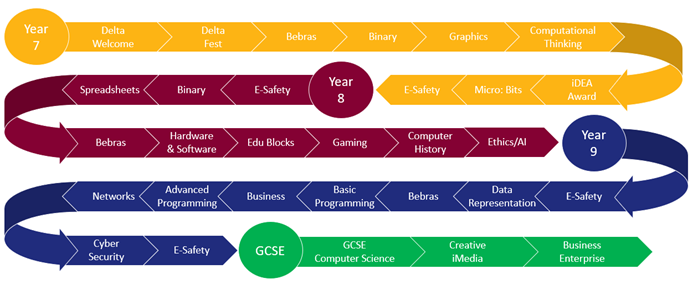
In Year 7 Computing, students start with a Delta Welcome, where they learn how to log in, access their accounts and get familiar with the school’s digital systems. They then move on to Delta Fest, an introduction to key software like Microsoft Word, PowerPoint and Excel, helping them develop essential document, presentation and spreadsheet skills. Next, students take part in Bebras, an international computational thinking competition that builds their problem-solving and logical reasoning. This leads into an introduction to binary, where they explore how computers use 1s and 0s to process data. Students then unleash their creativity through graphics, learning how to design vector images using Inkscape. The course continues with more computational thinking challenges, encouraging them to break down problems and design solutions clearly and logically. Students also begin working on the iDEA Award, earning digital badges as they build skills in coding, cybersecurity, and digital literacy. They then apply their learning using Micro: Bits, small programmable devices that help bring coding concepts to life through interactive projects. Finally, the year ends with a focus on e-safety, where students learn how to stay safe, respectful, and responsible online.
In Year 8 Computing, students begin with a focus on e-safety, building on their prior knowledge. They then revisit binary, deepening their understanding of how computers store and process data using the binary number system. Next, students complete a spreadsheets project, where they apply logical thinking and data-handling skills using formulas, charts and functions in Excel. Once again, they participate in the Bebras challenge, testing and developing their computational thinking through engaging problem-solving tasks. The curriculum then shifts to hardware and software, where students learn the differences between physical components and programs, exploring how both work together in a computer system. Moving into coding, students are introduced to EduBlocks, a block-based Python environment that helps bridge the gap between visual and text-based programming. They then explore gaming, studying the history of video games, the role of characters and storytelling and how to design key game elements. This links into a broader look at computer history, tracing developments from the 1940s to the present day and highlighting influential figures like Alan Turing, Steve Jobs and Sir Tim Berners-Lee. Finally, students examine ethics and AI, discussing the impact of artificial intelligence on society, ethical dilemmas in technology and the importance of responsible innovation.
In Year 9 Computing, students begin the year by revisiting e-safety, deepening their understanding of how to stay safe and responsible online. Next, students explore data representation, building on their existing knowledge of binary. They are introduced to hexadecimal and logic gates, learning how computers handle and process data at a more advanced level. Through practical activities and visual demonstrations, students gain a clearer picture of how digital systems function. The year continues with participation in the Bebras Computational Thinking Challenge, allowing students to apply logical reasoning, pattern recognition and problem-solving skills in a nationally recognised competition. In basic programming, students move into text-based coding, focusing on variables, inputs and outputs and loops. These foundations prepare them for more advanced tasks later in the year. They then take part in a Business unit, to give them an insight into what the Business Enterprise GCSE may entail. Students then tackle advanced Python programming, extending their skills with functions, lists, file handling and simple data structures. These challenges are designed to stretch their thinking and provide a taste of the logic and creativity required at GCSE level. Following this, the curriculum explores computer networks, where students learn how data travels across systems. To build further awareness of the digital world, students study cyber security, examining key threats such as phishing, malware and social engineering. They also learn about prevention methods, including firewalls, strong passwords, and secure protocols, preparing them for both GCSE and real-world digital safety. The year ends by returning to the theme of e-safety, reinforcing responsible behaviour online. This rounded approach ensures students leave Key Stage 3 with strong digital skills, a mature understanding of their responsibilities online and a solid foundation for any of the Business/Computing options at GCSE level, should they wish to pursue them.
Creative iMedia
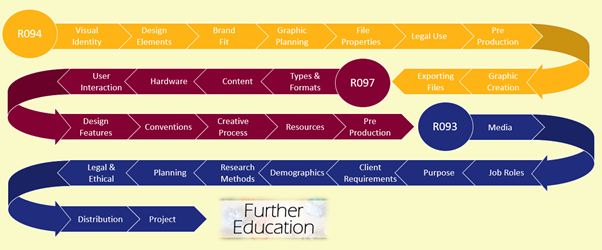
Unit R093 is a key unit in the Creative iMedia course, assessed through a written exam taken at the end of Year 11. In this unit, students explore the exciting world of the creative media industry, gaining a thorough understanding of various media sectors, including TV, film, gaming, publishing and online content. Students begin by learning about different media products, such as digital graphics, animations, websites and video, and the specific purposes they serve for different audiences. They will also learn how to interpret client briefs, understanding the key requirements to create media products that meet a client’s needs. A major focus of the unit is on identifying and understanding target audiences, exploring how factors like age, interests and gender influence media design. Students will also dive into research methods, learning how to gather and apply both primary and secondary research to inform media projects. The unit introduces students to the pre-production process, teaching them how to create essential planning documents like mood boards, storyboards, scripts and visualisation diagrams to turn creative ideas into structured plans. Additionally, students will study legal and ethical issues in media production, including topics like copyright, data protection, privacy and representation, to help them create media content responsibly and ethically. Finally, the unit explores how media products are distributed across various platforms and formats, teaching students about the journey of media content from production to audience.
Unit R094 is a coursework-based unit in the Creative iMedia course, where students will focus on creating digital graphics for a range of purposes. This unit allows students to develop practical skills in designing visual content and prepares them for the demands of the media industry. Throughout the unit, students will begin by understanding the purpose of digital graphics and how they are used in various industries, including advertising, web design, branding and social media. They will learn about the role of graphics in visual communication, such as creating logos, banners and promotional materials. Students will then explore the pre-production process, which involves interpreting a client brief, conducting research and creating essential planning documents like mood boards, mind maps, and storyboards. These documents will help students structure their ideas and guide them in the design process. Next, students will gain hands-on experience by using design software such as Adobe Photoshop. They will learn to create and manipulate digital images, edit graphics and produce professional-level designs. The skills they acquire in this section are essential for anyone interested in pursuing a career in design or media. The unit also covers important legal and ethical considerations, such as copyright laws, intellectual property rights and the responsible use of images/design elements. Students will learn how to create original content and avoid issues like plagiarism. Finally, students will complete a final project, in which they will create a digital graphic based on a client brief. The project will be assessed on the quality of the work, the application of design principles and how well students have adhered to the brief and planning process. This unit is designed to give students a strong foundation in graphic design and digital media, providing valuable skills in creativity, problem-solving and technical proficiency. It prepares students for further study in media, design or other related fields.
Unit R097 is a coursework-based unit in the Creative iMedia course, where students will explore the creation of interactive digital media. This unit focuses on the design, development, and creation of interactive media products, such as websites, games and digital presentations, allowing students to apply their creativity and technical skills to produce engaging and functional content. Students begin by understanding the principles of interactive digital media and how it is used across different platforms, including websites, mobile apps and multimedia presentations. They will explore the various components that make up interactive media, such as user interfaces, navigation systems and interactive elements, and how these components come together to enhance the user experience. In the unit, students will also learn how to interpret a client brief and create a product that meets the specific needs of a target audience. They will develop planning documents such as storyboards, mind maps and site maps to outline the structure and design of their interactive media product before beginning development. Students will gain hands-on experience using industry-standard software and tools to create their interactive digital media products. This may involve working with software for website creation, game development platforms or digital presentation tools. They will learn to incorporate multimedia elements like text, images, sound and video to make their media product engaging and interactive. Throughout the unit, students will also consider legal and ethical issues involved in interactive media creation. They will learn about copyright, data protection and accessibility to ensure their products comply with legal standards and are inclusive for a wide range of users. The final project involves students creating a fully functional interactive digital media product, which they will present as part of their coursework. The project will be assessed based on its creativity, functionality, and the quality of the planning and development process.
BTEC Enterprise
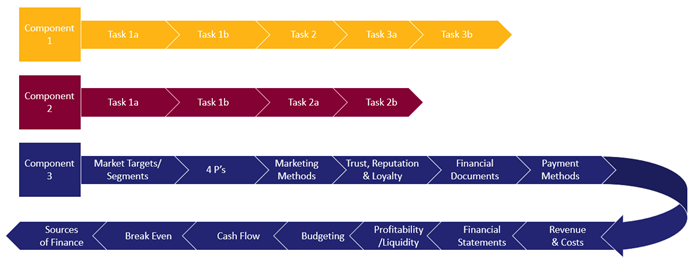
The BTEC Tech Award in Enterprise (2022) is designed to introduce students to the dynamic world of business and entrepreneurship. The qualification comprises three components, each focusing on different aspects of enterprise and is assessed through a combination of coursework and an external examination.
Component 1: Exploring Enterprises (Coursework – Year 10)
In this component, students investigate how enterprises operate and succeed. They explore the characteristics of different enterprises, including their aims and objectives, and analyse how they respond to challenges and opportunities in the market. Students will:
- Examine the characteristics of enterprises and the skills required by entrepreneurs.
- Investigate how enterprises operate and the factors that influence their success.
- Explore the role of innovation and enterprise in responding to market needs.
This component is assessed internally through assignments set and marked by the school, with moderation by the exam board. Component 1 is worth 30% of the overall qualification.
Component 2: Planning & Pitching for an Enterprise Activity (Coursework – Year 10)
Building on the knowledge gained in Component 1, students develop and present a plan for a micro-enterprise idea. They will:
- Plan an enterprise activity, including identifying a business idea, target market, and resources required.
- Develop a business plan outlining the objectives, strategies, and financial forecasts.
- Pitch the enterprise idea to an audience, demonstrating communication and presentation skills.
Assessment is internal, with students submitting their plans and presentations for evaluation. Component 2 is worth 30% of the overall qualification.
Component 3: Promotion and Finance for Enterprise (External Exam – Year 11)
The final component is an externally assessed examination that tests students’ understanding of how enterprises promote their products and manage finances. Topics include:
- Marketing strategies and techniques used to promote products and services.
- Financial planning and forecasting, including budgeting and cash flow.
- The impact of external factors on enterprise operations.
The examination is synoptic, meaning it draws on content from all three components, and is taken in Year 11. Component 3 is worth 40% of the overall qualification.